
Respiratory Season
Find a flu clinic near you.
Plan your Flu, Covid, or RSV vaccine visit today and be ready for respiratory season. Our walk-in and by-appointment immunization clinics can help protect you and your family. Find your nearest clinic by clicking the links below. We also offer vaccine-only appointments.
| Washington Locations: |
| Grandview → Granger → Tri-Cities → Toppenish → Prosser → Spokane → Sunnyside → Wapato → Yakima → |
| Oregon Locations: |
| Astoria → Clatskanie → Hermiston → Portland → Salem → Woodburn → |
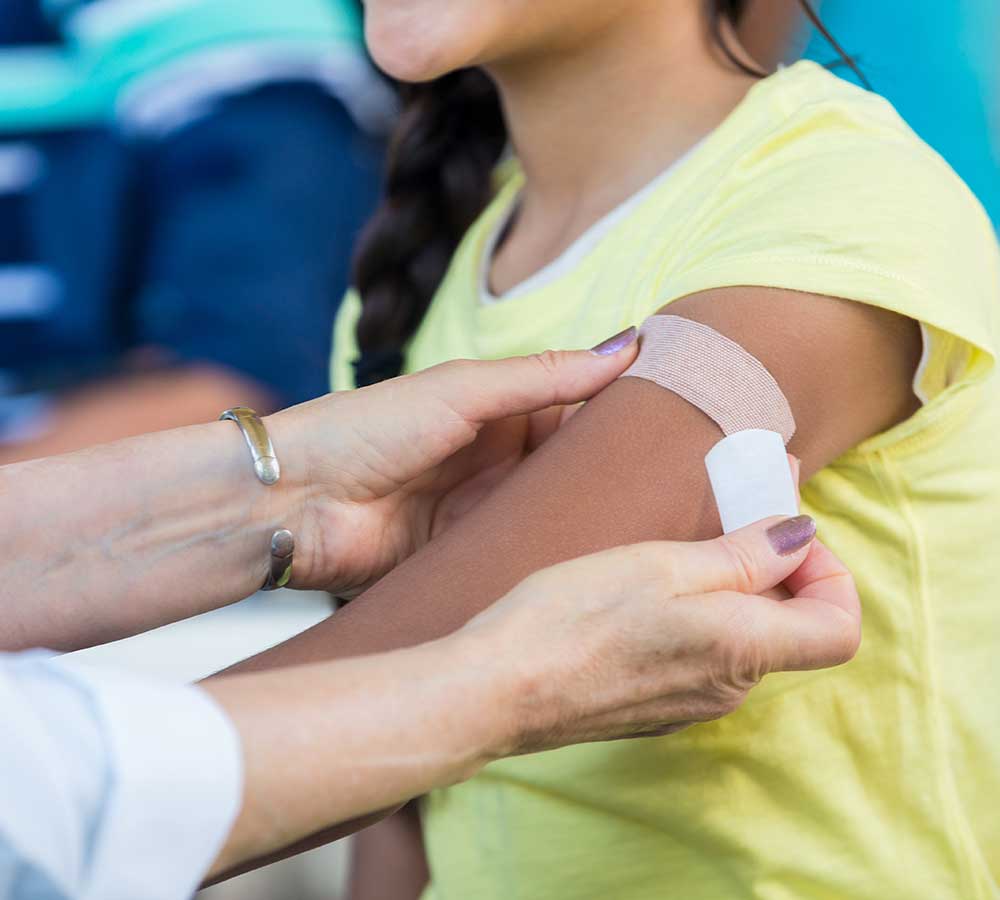
Get answers to your questions about the flu.
COVID-19 Information
What is COVID-19?
COVID-19 (coronavirus disease 2019) is a disease caused by the SARS-CoV-2 virus. The most common symptoms also appear like a cold or flu, and can include any of the following:
- Fever or chills
- Cough
- Shortness of breath or difficulty breathing
- Sore throat
- Congestion or runny nose
- New loss of taste or smell
- Fatigue
- Muscle or body aches
- Headache
- Nausea or vomiting
- Diarrhea
COVID-19 can be very contagious and can spread quickly through small particles in the air. You can also have COVID-19 without having any symptoms. and can still spread the disease. If you know you have been exposed to COVID-19 but do not have symptoms, you may want to consider testing. If you test positive, you can take precautions to prevent the spread to your family and community.
How to protect yourself from COVID-19?
Vaccination remains one of the safest and most effective ways to help protect against severe illness. This includes children and families whose health would be at risk if they got COVID-19.
Respiratory Syncytial Virus (RSV) Information
What is RSV?
Respiratory syncytial virus, commonly referred to as RSV, is a common respiratory infection that affects the nose, throat, and lungs. The symptoms of RSV are also similar to the common cold or other respiratory infections such as the flu or COVID-19. RSV transmission occurs in the fall and winter months alongside other respiratory viruses, typically reaching a peak in December and January.
RSV can be dangerous for infants and older adults:
RSV does not usually cause severe illness in healthy adults and children. However, some people with RSV infection, especially infants younger than 6 months of age and adults who are older or have certain risk factors, can become very sick and may need to be hospitalized.
RSV can also cause more severe illness such as bronchiolitis (inflammation of the small airways in the lungs) and pneumonia (infection of the lungs). It is the most common cause of bronchiolitis and pneumonia in children younger than 1 year of age.
RSV Vaccination:
There are vaccines and monoclonal antibody products that can help protect infants and vulnerable adults. Pregnant women and caregivers of infants should plan with their provider to be up to date on RSV protection. RSV vaccination is the best way to prevent severe respiratory illness and hospitalization from RSV in infants. If you are an adult age 75 and older, or an adult age 50–74 with conditions that increase your risk of severe RSV, you can also speak with your provider regarding receiving a vaccine.