
Small Steps Make Nutrition Changes More Manageable
Managing diabetes, high blood pressure, food allergies, or another chronic condition often involves changing how and what a person eats. But nutrition advice can be difficult to put into practice. Patients may be balancing work and family responsibilities, a tight food budget, cultural traditions, and conflicting information from the internet or social media. Making healthier choices doesn’t have to mean changing everything at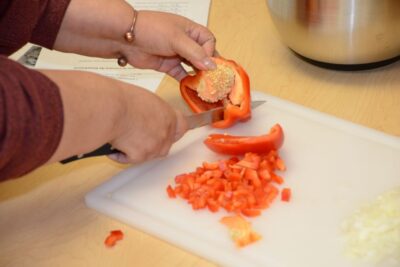 once.
Primary Care Nutrition Services connect patients with Registered Dietitian Nutritionists who help them find realistic changes that fit their lives. The service is available at many of our clinics. Dietitians provide individualized guidance for preventing disease and managing conditions such as diabetes, high blood pressure, high cholesterol, food allergies, and digestive concerns.
During an initial visit, a dietitian learns about a patient’s needs, answers questions, and helps identify a realistic place to begin. Patients can schedule follow-up visits based on their needs. Appointments are available in person, virtually, or by phone.
Rather than handing patients a list of foods they can no longer eat, dietitians consider each person’s culture, budget, family, and daily routine. They build on what is already working and help patients make changes that fit their lives and feel manageable over time.
“Our dietitian teams are trained in working with patients rather than teaching at patients,” said Gabrielle Frank, Nutrition Services Manager. “We believe they're experts on themselves and know what they can and can't do.”
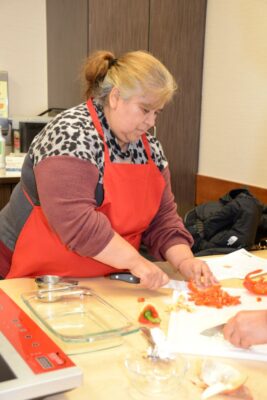
Alma Silva chops vegetables during a class at the Toppenish Medical-Dental Clinic Teaching Kitchen.
That approach can turn an overwhelming health goal into a manageable next step. A patient might begin by adding vegetables to one meal each week or including a source of protein to help keep their blood sugar more stable. One achievable change can lead to another. Over time, those changes can build knowledge, confidence, and momentum.
Dietitians also work with providers and other members of the care team to connect nutrition with other parts of a patient’s health. Several of our clinics also offer Teaching Kitchens, where patients and families can practice preparing meals and explore ways to adjust familiar recipes to support their health goals.
“Healthy eating doesn't have to be a sacrifice,” Frank said. “It can actually be really enriching and fulfilling, and you don't have to navigate it alone.”