
Pediatric Dental Care Changes More Than Smiles
What do you do when a young child begins hitting themselves but can't explain why?
As the incidents became more frequent, the child's family and school grew increasingly concerned. As plans to visit a behavioral health specialist were underway, the cause was made clear at a routine dental appointment.
Dr. Joe Wilson, Associate Director of the NYU Langone Pediatric Dental Residency, discovered extensive tooth decay and serious dental infections. The child had been living with significant dental pain but lacked the ability to communicate it. After receiving treatment, the self-harming behavior stopped, school performance improved, and concerns about underlying behavioral health conditions were ultimately ruled out.
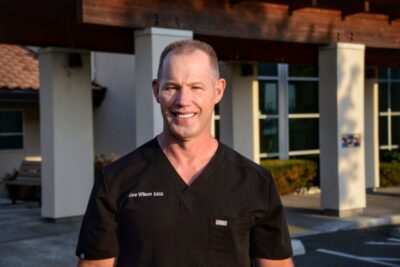
Dr. Joe Wilson, Associate Director of the NYU Langone Pediatric Dental Residency
For Dr. Wilson, the story is a reminder that pediatric dentistry is rarely just about teeth.
"My residents hear me saying this all the time: That tooth is attached to a child, that child is attached to a family, that family is attached to a community," he said.
Children with untreated dental disease can face challenges that might seem unrelated to their dental care. Pain can affect sleep, concentration, school performance, behavior, nutrition, and overall well-being. For families, finding specialized care can be difficult, especially when transportation, insurance coverage, or dental workforce shortages limit access.
For many years, Yakima had no pediatric dentist. Children with complex medical conditions, developmental disabilities, or severe dental disease often needed specialized care that was difficult to find close to home.
That need helped shape a solution that continues to serve Central Washington today.
In 2005, Yakima Valley Farm Workers Clinic partnered with the University of Washington to launch a pediatric dental residency program at Lincoln Avenue Medical-Dental Center. Today, the program operates as the NYU Langone Pediatric Dental Residency, helping train pediatric dentists while expanding access to care for children throughout the region.
The program's impact can be seen in communities across Central Washington. According to Dr. Wilson, nearly every pediatric dentist currently practicing in Yakima has either trained in or been associated with the residency program. Many graduates have chosen to build their careers in rural and underserved communities, helping more families receive specialized care.
The lessons residents learn often show up in the lives of the children they care for. A child who can eat comfortably, sleep through the night, focus in school, and live free from chronic pain has more opportunity to learn, grow, and thrive. Families gain peace of mind and communities grow stronger when children have access to the care they need.
As Central Washington continues to experience shortages of dental providers, the residency program is helping ensure more children can receive specialized care while preparing the next generation of pediatric dentists to serve communities like Yakima.