
Connecting Medical and Dental Care
Tooth pain and swollen gums may seem limited to the mouth, but oral health affects the rest of the body. Medical conditions and treatments may affect the teeth and gums, while pain, infection, and inflammation in the mouth can complicate other conditions.
Consider someone experiencing significant swelling throughout the mouth. When an examination reveals no obvious dental cause, a conversation with the person’s physician may uncover a medication or condition the dentist could not identify alone. Sharing information gives both clinicians a fuller picture and helps clarify the next step.
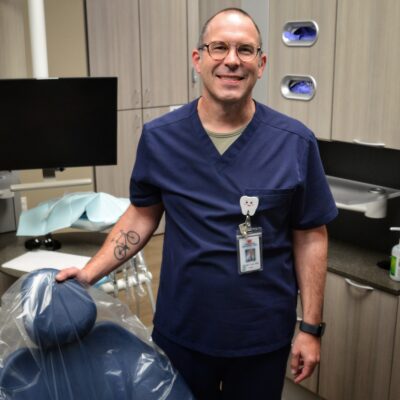
Dr. Stephen Davis
Physicians and dentists often recognize different needs. A physician may find an oral infection during a medical examination. A dentist may notice unusually high blood pressure or another sign that requires medical attention. Together, they see more than either would through one examination alone.
“We’re not always good storytellers of our own health history,” Dr. Stephen Davis said.
People may forget a previous visit, overlook a medication, or not realize that one symptom relates to another. The health record and the patient’s own account give the care team more information to connect symptoms, treatments, and previous care.
During well-child visits, physicians look inside a child’s mouth, talk with families about brushing, and encourage them to establish dental care early. Dentists and hygienists also watch for signs that point to needs beyond oral care.
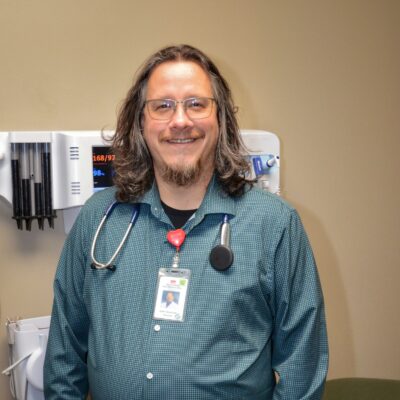
Dr. Keith Goodman
Dr. Keith Goodman describes that communication as advocacy. When one member of the care team recognizes a problem, a direct conversation helps the next clinician understand what the person needs and why it matters.
The stakes rise for people managing chronic conditions. Gum disease and oral infections may complicate diabetes and cardiovascular disease. Oral pain can also make eating and managing other conditions more difficult.
“Oral health is connected to you. Everything is interconnected and everything works together. And you can’t neglect one thing and expect everything else to work out right,” Dr. Goodman said.
No single appointment reveals everything about a person’s health. By listening, sharing information, and acting on what they learn, medical and dental teams can connect the pieces and help patients reach the care they need.